- Opening Time : 10:00 AM - 06:00 PM (Sat - Thu)

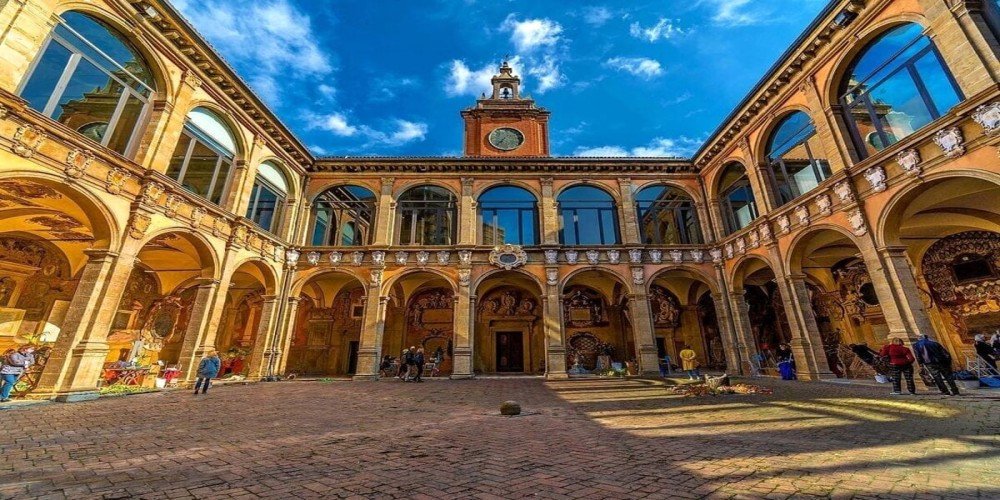
The University of Bologna, established in 1088, is widely recognized as the oldest continuously operating university in the Western world and is often described as the birthplace of the modern university system. For centuries, it has shaped academic traditions across Europe, particularly in law, philosophy, arts, and sciences. Scholars from across medieval Europe traveled to Bologna to study Roman law, which played a major role in forming legal systems still used today.
The university now operates across several campuses within the Emilia-Romagna region, including Bologna, Cesena, Forlì, Ravenna, and Rimini. This distributed structure allows students to experience diverse cultural and academic environments while benefiting from centralized academic excellence. Modern programs span engineering, economics, medicine, social sciences, political science, humanities, and advanced scientific research.
The institution is internationally respected for its research productivity and global collaborations with universities and industries. Numerous exchange programs and English-language degrees attract thousands of international students annually. Student life is particularly vibrant because Bologna itself is considered Italy’s primary university city, known for its youthful population, cultural festivals, and active academic community.
Libraries, research laboratories, innovation hubs, and student organizations support both academic and personal development. The balance between historic academic heritage and modern educational innovation ensures that the University of Bologna continues to remain a global leader in higher education.
| Category | Details |
|---|---|
| Founded | 1088 |
| Location | Bologna & regional campuses |
| Known For | Law, Humanities, Sciences, Research |
| Student Population | Over 85,000 students |
| International Programs | Extensive exchange and English programs |
| Campus Environment | Historic yet modern student city |