- Opening Time : 10:00 AM - 06:00 PM (Sat - Thu)

Magna Græcia University of Catanzaro (Italian: Università degli Studi Magna Græcia di Catanzaro) is a dynamic public university located in Catanzaro, Calabria, Italy. Established in 1998, the university has rapidly grown into a respected center for higher education offering a range of undergraduate, graduate, and research‑focused academic programs.
Although the modern university was founded in 1998, the roots of higher education in Catanzaro stretch back to collaborative academic efforts in the late 20th century. Originally part of consortia aimed at expanding access to university studies, the institution eventually evolved into an independent university, named in tribute to the ancient cultural region of Magna Graecia historically tied to southern Italy.
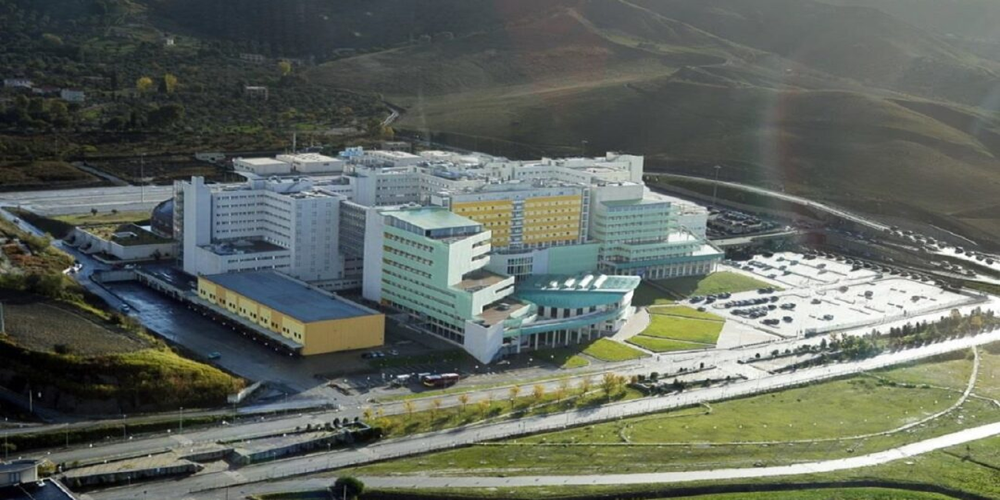
The main campus, known as the Campus “Salvatore Venuta”, is situated in the Germaneto district of Catanzaro, around 6 km from the city centre. It occupies a modern academic setting equipped with lecture halls, research facilities, libraries, laboratories, student residences, sports areas and other student support services.
Magna Græcia University is organized into multiple academic units focused on delivering both professional and scholarly education:
The Faculty of Law provides programmes in legal studies, preparing students for careers in legal practice, public service, and interdisciplinary research.
The University’s School of Medicine and Surgery delivers extensive health science education. Courses range from traditional medicine and clinical sciences to allied health professions such as nursing, physiotherapy, dental hygiene, and biomedical engineering. The faculty also coordinates specialisation schools for advanced medical training.
The Faculty of Pharmacy focuses on pharmaceutical sciences, combining theoretical knowledge with practical laboratory experience to support careers in research, industry, and clinical pharmacy.
Additionally, academic departments are structured to cover legal, economic, sociological, medical, health science, and interdisciplinary studies.
Beyond bachelor’s and master’s degrees, Magna Græcia University offers advanced postgraduate options including doctorate programmes. Among these are research‑intensive PhD degrees in life sciences, molecular medicine, and cutting‑edge biomedical engineering with interdisciplinary focus areas such as artificial intelligence and bioinformatics. These programmes provide rigorous research training and practical access to modern laboratories.
Research is at the core of the university’s mission. The institution participates in national and international research initiatives, utilises innovation labs, and fosters scientific collaboration with universities abroad. Research areas include nanotechnology applied to pharmaceutical and medical fields, clinical health sciences, legal and social policy studies, and integrated health research.
Magna Græcia University prioritises global partnerships, enabling student exchanges, cooperative research projects, and academic mobility programmes. Its international outlook enhances the educational experience and boosts opportunities for students to engage with global academic communities.
Student support is a key focus. The university provides administrative services, academic counselling, career guidance, internship placement opportunities, and cultural events that enrich student life. The Fondazione Università Magna Graecia offers additional services such as scholarships, housing assistance, transportation support, and student well‑being initiatives.
Magna Græcia University actively contributes to the social and economic development of Calabria. Through public outreach, partnerships with civic organisations, healthcare programmes, and cultural initiatives, the university serves as an anchor institution in the region. Its alumni contribute to professional fields across Italy and internationally, supported by networks that bridge university and industry.